






What is MuleSoft and When Do We Need It?
If you’ve spent any time in revenue operations, you know the feeling: your team finally gets Salesforce implemented, dashboards are built, pipelines are visible… and then reality kicks in. Sales is using Salesforce, marketing is running campaigns in Agentforce Marketing (formerly Marketing Cloud), finance lives in an ERP, and product data is sitting somewhere else entirely.
Suddenly, the systems that are supposed to help teams move faster are actually slowing everyone down.
This is where MuleSoft often enters the conversation.
For many revenue operations teams, MuleSoft becomes the missing layer that connects all the technology powering the revenue engine. But what exactly is it, and when do you actually need it in a Salesforce implementation?
Let’s break it down.
First Things First: What MuleSoft Actually Is
At its simplest, MuleSoft is an integration platform. It helps different systems, applications, and databases talk to each other so data can move smoothly across your organization.
Salesforce acquired MuleSoft in 2018 to strengthen how companies connect Salesforce to the rest of their tech stack. Today, MuleSoft’s Anypoint Platform helps businesses build and manage integrations and APIs that connect everything from CRMs and ERPs to marketing platforms and internal tools. You can read Salesforce’s overview of MuleSoft here.
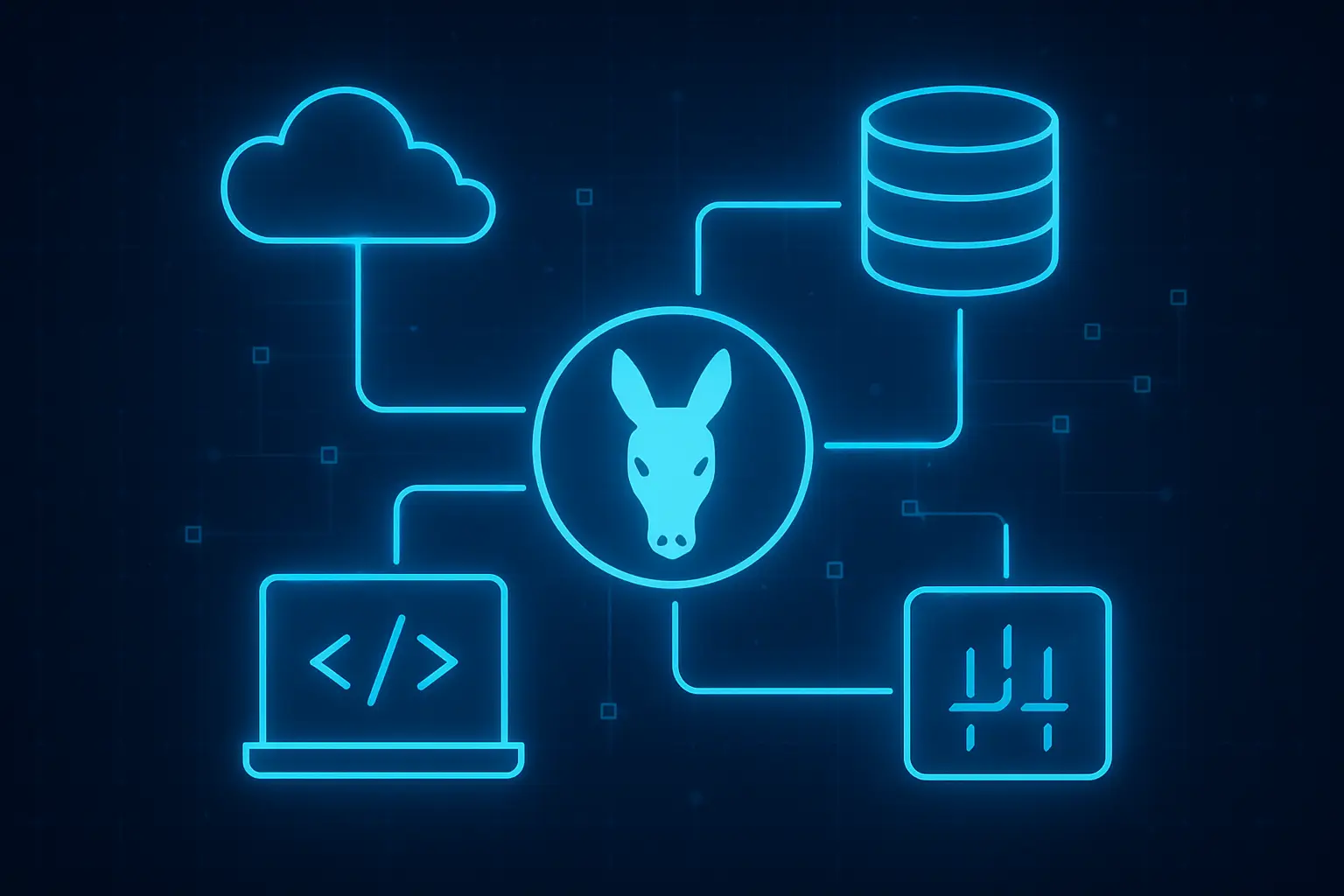
The easiest way to think about MuleSoft is this: it acts like the translator and traffic controller for your systems.
Instead of every platform trying to connect directly to every other platform (which becomes messy very quickly), MuleSoft sits in the middle and manages how data flows between them.
For revenue operations teams dealing with growing tech stacks, that structure makes a huge difference.
Why This Matters So Much for Revenue Operations
Revenue operations is all about alignment across sales, marketing, customer success, and finance. But alignment becomes almost impossible when the systems those teams rely on aren’t connected.
Imagine a common scenario.
Marketing generates leads through Agentforce Marketing, sales works those leads in Sales Cloud, finance manages invoices in an ERP, and customer success tracks usage in another platform. If those systems don’t share data automatically, teams end up relying on spreadsheets, manual updates, or incomplete information.
That’s when reporting breaks down. Pipeline numbers don’t match revenue. Customer data is inconsistent. Forecasts become guesswork.
Integration platforms like MuleSoft help solve this by creating reliable connections between systems so data stays synchronized. Salesforce explains this integration approach in more detail here.
When everything is connected properly, revenue operations teams can finally see the full picture—from first marketing touch to closed revenue and customer retention.
How MuleSoft Fits Into a Salesforce Implementation
A lot of companies assume Salesforce integrations are straightforward, but once a business grows beyond a few tools, things get complicated quickly.
Salesforce might need to connect with:
- ERP systems like NetSuite or SAP
- eCommerce platforms
- customer support tools
- product databases
- internal applications
- data platforms like Data 360 (formerly Data Cloud)
Without an integration strategy, companies often build point-to-point integrations. That means each system connects directly to another system. At first, it works fine. But as more tools get added, the integrations start multiplying.
Five systems can turn into twenty connections almost overnight.
MuleSoft approaches this differently by using API-led connectivity, which means systems communicate through reusable APIs rather than direct integrations.
The result is a cleaner, more scalable architecture. When a new tool gets added to the stack, you don’t have to rebuild everything—you simply connect it through the existing APIs.
So When Do You Actually Need MuleSoft?
Not every Salesforce implementation needs MuleSoft. Smaller organizations with simple tech stacks can often rely on native integrations or lightweight middleware.
But there are certain moments where MuleSoft starts to make a lot more sense.
One common sign is when the tech stack grows faster than the integrations supporting it. Many companies start with Salesforce and a marketing platform, but over time they add customer success tools, billing systems, analytics platforms, and internal databases. Suddenly data is scattered everywhere.
Another signal is when data silos start affecting decision making. Revenue operations teams depend on accurate reporting, but disconnected systems make it difficult to trust pipeline data or revenue attribution.
And then there’s scale. As organizations grow, integrations need to support more users, more data, and more automation. MuleSoft was built for that kind of enterprise-level architecture.
In other words, MuleSoft usually becomes relevant when integration stops being a simple technical task and starts becoming a core part of the company’s infrastructure.
The Bigger Picture for Revenue Operations
From a revenue operations perspective, MuleSoft isn’t really about APIs or middleware.
It’s about visibility.
When systems are properly connected, RevOps teams can build a true end-to-end revenue model. Marketing engagement flows into Salesforce. Sales activity connects to billing. Customer success data ties back to revenue expansion.
Suddenly questions that used to take days to answer become simple.
Which campaigns drive the highest revenue?
Where are deals getting stuck in the funnel?
What’s the actual lifecycle from lead to closed revenue?
Those answers only become clear when the systems behind the revenue engine are working together.
Final Thoughts
MuleSoft isn’t the first tool most companies think about when implementing Salesforce, but for many growing organizations, it eventually becomes one of the most important.
As tech stacks expand and revenue teams rely more heavily on accurate, cross-system data, integration becomes a strategic priority—not just a technical one.
When done right, MuleSoft helps transform Salesforce from a standalone CRM into the central hub of the entire revenue ecosystem.
And for revenue operations teams trying to drive alignment across go-to-market teams, that kind of connected architecture can make all the difference.

Related articles