





When should we use Salesforce for marketing automation?
This is one of those questions that comes up a lot once companies start scaling: “Should we move our marketing automation into Salesforce?”
And usually, it’s being asked at the exact moment when things start getting messy. Campaigns are running in one tool, CRM data lives somewhere else, attribution is unclear, and no one fully trusts the numbers.
So naturally, Salesforce—specifically tools like Agentforce Marketing (formerly Marketing Cloud) and Data 360 (formerly Data Cloud)—starts to look like the solution.
But here’s the honest answer from a RevOps perspective:
Salesforce marketing automation is incredibly powerful—but only at the right stage.
What Salesforce marketing automation actually does (and why it’s different)
Before we talk about timing, it’s important to understand what you’re really buying into.
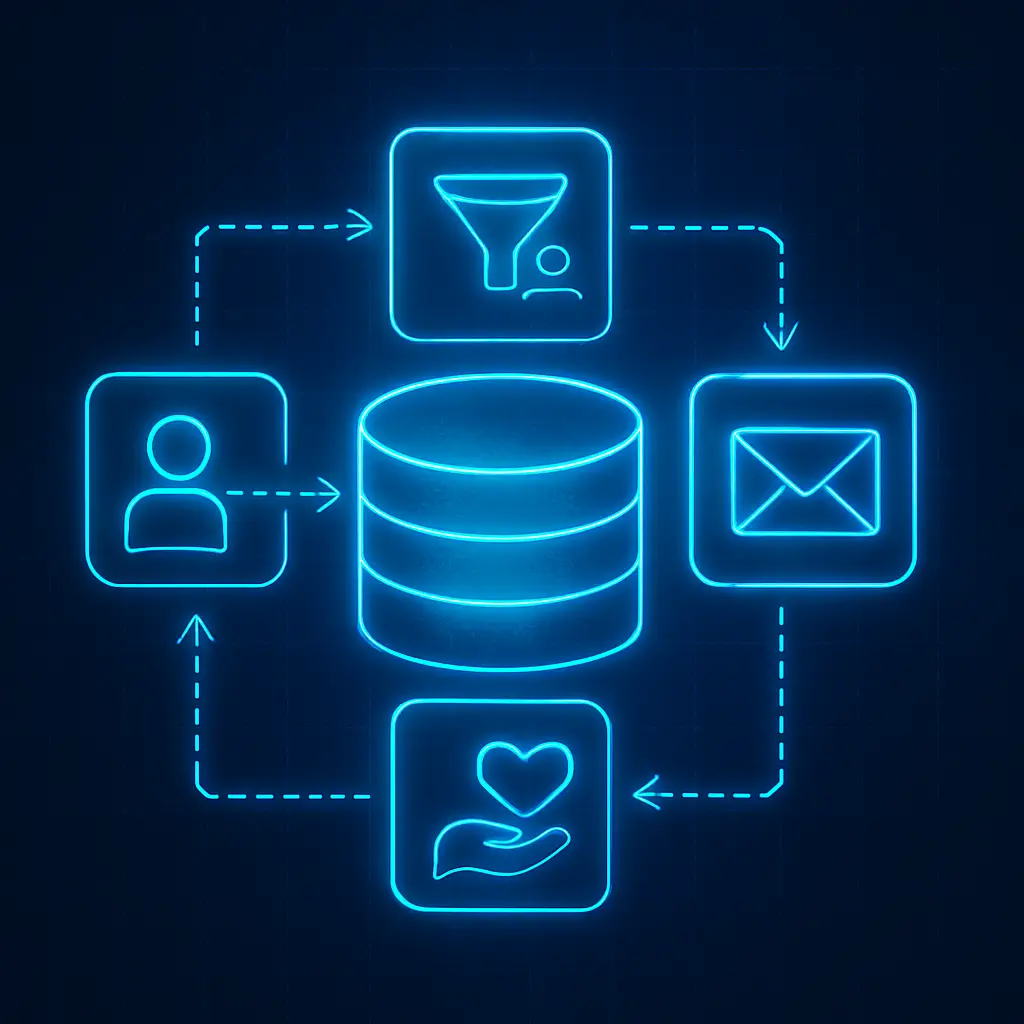
Salesforce’s marketing ecosystem isn’t just about sending emails. Platforms like Agentforce Marketing are built to manage the entire customer journey—segmentation, personalization, campaign execution, and performance tracking—all tied directly to your CRM data.
For example, Salesforce explains how Data 360 acts as the foundation, pulling together data from across systems into a single, unified customer profile that can power real-time segmentation and personalization .
That’s a big deal. Because most marketing tools can automate campaigns—but they can’t always do it with clean, unified, real-time data.
And that’s really the differentiator. Salesforce isn’t just a marketing automation tool. It’s a connected system where marketing, sales, and customer data actually work together.
The moment most teams start thinking about it
In our experience, companies don’t start looking at Salesforce marketing automation when things are going well.
They start looking when:
- marketing and sales aren’t aligned
- lead handoffs feel inconsistent
- reporting doesn’t match across systems
- personalization feels limited or manual
At that point, teams realize their current tools can’t keep up with how they want to operate.
And that’s usually the right instinct—but not always the right timing.
When Salesforce marketing automation actually makes sense
The biggest mistake we see is companies jumping into Salesforce marketing automation too early.
Salesforce works best when you already have some level of structure in place. You don’t need perfection, but you do need clarity.
If you don’t yet have a defined lifecycle, clear ICP, or a consistent sales process, adding something like Agentforce Marketing won’t fix that. It’ll just make things more complicated.
But when you do have those pieces in place, Salesforce starts to unlock real value.
That’s because tools like Marketing Cloud (now part of Agentforce Marketing) are designed to segment audiences, personalize messaging, and optimize campaigns based on behavior and data—not guesswork .
And when that’s connected directly to your CRM? That’s when RevOps starts to feel seamless.
The role of Data 360 (and why it matters more than you think)
If there’s one thing RevOps teams underestimate, it’s data.
Salesforce’s shift from Data Cloud to Data 360 wasn’t just a name change—it reflects a bigger move toward real-time, unified data that actually drives automation and decision-making .
In practical terms, that means:
- your segmentation is based on real behavior, not static lists
- your campaigns adapt in real time
- your reporting actually reflects the full customer journey
Without that foundation, marketing automation is just scheduled messaging.
With it, it becomes a revenue driver.
When it’s probably not the right time
This part is just as important.
If your team is still figuring out your go-to-market motion, or if your CRM data isn’t reliable yet, Salesforce marketing automation can feel overwhelming fast.
We’ve seen teams invest in it expecting instant results, only to realize they don’t have:
- clean data
- defined processes
- or the internal resources to manage it
And that’s where things stall.
Even Salesforce’s broader ecosystem emphasizes how interconnected everything is—from marketing to sales to service—meaning you’re not just implementing a tool, you’re implementing a system .
If the foundation isn’t there, the system won’t perform the way you expect.
A more practical way to think about it
Instead of asking, “Should we use Salesforce for marketing automation?”
A better question is:
“Are we ready to operationalize marketing inside our revenue engine?”
Because that’s what Salesforce really enables.
When implemented well, marketing automation inside Salesforce isn’t just about campaigns. It’s about:
- tighter alignment between marketing and sales
- better visibility into what’s actually driving revenue
- and the ability to scale personalization without scaling headcount
But getting there requires intentional design—not just turning on a tool.
Where RevOps fits into all of this
This is exactly where RevOps makes the difference.
At , we don’t just “implement Salesforce.” We look at how your entire revenue engine operates—then design marketing automation to support it.
That means:
- defining lifecycle stages before building journeys
- aligning marketing and sales around shared data
- and making sure reporting actually answers business questions
Because without that alignment, even the best tools won’t deliver.
Final takeaway
Salesforce marketing automation is incredibly powerful—but it’s not a starting point.
It’s something you layer in once your foundation is strong enough to support it.
If you’re there, tools like Agentforce Marketing and Data 360 can completely transform how you engage customers and drive revenue.
If you’re not, the smartest move isn’t to force it—it’s to build toward it.
Because when the timing is right, Salesforce doesn’t just automate marketing.
It connects your entire revenue engine.

Related articles

What’s the Deal with Marketing Cloud Next? (And Should You Care?)
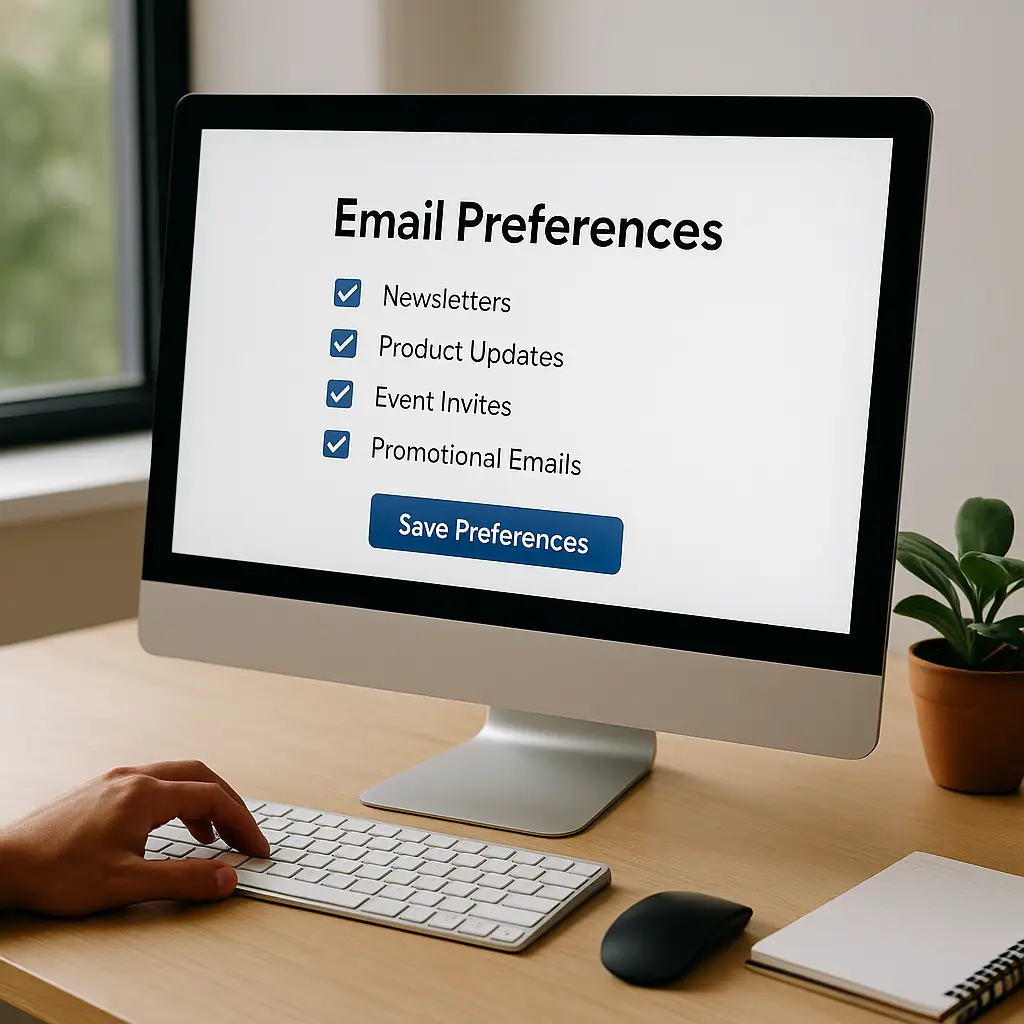
How to Build a Custom Agentforce Marketing Preference Center with AMPscript and SSJS

Making the Move to Marketing Cloud Next: Strategy, Benefits, and Expert Help

How to Measure the Impact of Agentforce Marketing Campaigns with Salesforce Data 360